Kiraan debunga dan maklumat alahan untuk Denver
Laporan debunga dan alahan Denver • 17:00, Oct 8
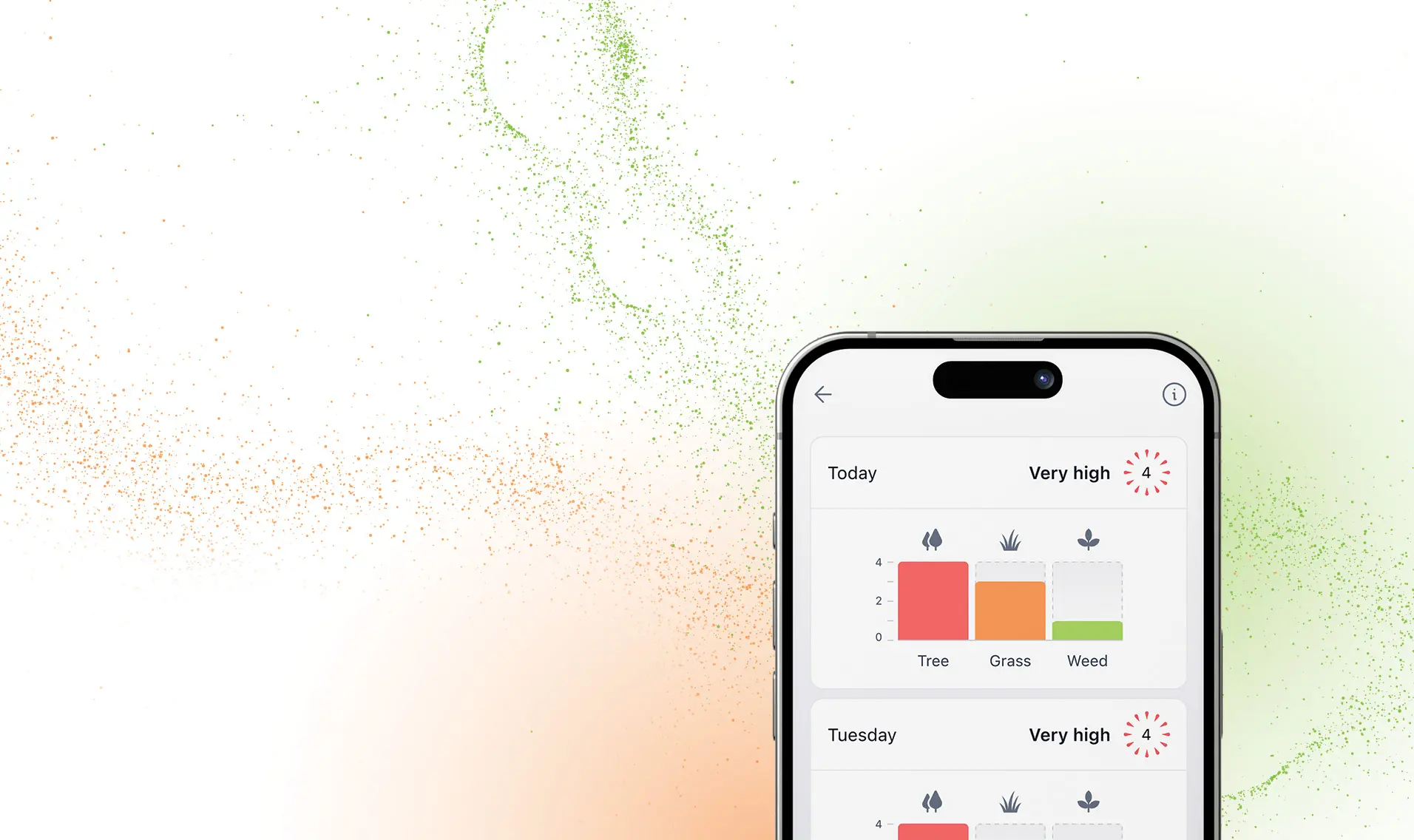
Indeks

Sederhana

Pokok
Tiada

Rumput
Tiada

Rumpai
Sederhana
 24°
24° 20 km/h
 37%
37%Ramalan alahan harian
Ramalan jumlah debunga Denver
Hari Ini  20 km/h28°14° 32% | Khamis 14 km/h29°13° 25% | Jumaat 19 km/h27°15° 29% |

Pencemar udara
Kualiti udara di Denver hari ini
Ketahui lebih lanjut tentang debunga di Denver


Lindungi diri anda daripada pencemaran udara di Denver

Pantau udara yang anda hirup
Dapatkan bacaan kualiti udara AirVisual yang tepat dan pandangan masa nyata untuk udara yang lebih bersih. Monitor yang mendedahkan punca pencemaran serta menyerlahkan bila penggunaan penulen udara diperlukan.

Penulen udara gred perubatan
Dipercayai di seluruh dunia, Siri HealthPro menggunakan teknologi HyperHEPA. Menapis zarah ultrahalus yang terlepas oleh penulen udara lain, memberikan perlindungan gred perubatan.

Penulen udara berkuasa dan bergaya
Padat dan berkuasa, Siri Atem menggabungkan kejuruteraan Switzerland dengan penulenan udara berprestasi tinggi, menapis zarah ultrahalus dengan teknologi HyperHEPA.
Muat turun Aplikasi Kualiti Udara kami


Why does the Denver pollen count vary throughout the day?
There are several factors that affect the pollen count throughout the day, such as the type of pollen, the weather conditions, the wind speed, and the location. According to some sources, each plant species releases its pollen at a different time of year, but spring and fall tend to have the highest concentrations. Some plants pollinate year-round. Plants benefit when they spread their pollen efficiently, so many plants have developed flowers that are highly effective at spreading pollen in the wind. Often, the windiest part of the day is also the time of day with the highest pollen count.
Pollen counts usually rise in the morning and reach their peak by midday or early afternoon. This is the time of day that allergies are often the worst, since there is a high concentration of pollen in the air. The release of pollen also depends on the species of plant or tree, so if you’re allergic to a certain type of pollen, you may notice symptoms peak at different times. Weather and environmental factors also influence the pollen count throughout the day. Wind stirs up pollen into the air, keeping counts high, while rain lowers airborne pollen any time of day.
In many areas, even in peak pollen season, the pollen count will drop to zero just before sunrise because the air has stopped moving and the pollen has settled on the ground. On the other hand, extended periods of calm air can lead to low pollen levels. Rain can wash pollen out of the air and provide temporary relief, and frosts in autumn can also kill the weeds that disperse pollen and can end certain pollen seasons.
What are the main areas of vegetation that contribute to an elevated pollen count in Denver?
In Denver, there are several main areas of vegetation that contribute to an elevated pollen count.
Various tree species release pollen and contribute to a higher pollen count. Common tree species in Denver that produce significant amounts of pollen include oak, maple, pine, juniper, cedar, and birch. These trees typically release their pollen in the spring and early summer.
Grasses are another significant source of pollen in Denver. Common grasses that contribute to high pollen counts in the area include Bermuda grass, Timothy grass, Kentucky bluegrass, and ryegrass. Grass pollen levels tend to be highest in late spring and early summer.
Certain weed species release abundant pollen and can cause allergies in susceptible individuals. Weeds such as ragweed, sagebrush, lamb's quarters, pigweed, and Russian thistle are commonly found in and around Denver and can contribute to elevated pollen levels, particularly in late summer and early autumn.
It's important to note that the specific pollen levels can vary from year to year depending on factors such as weather conditions, plant growth cycles, and other environmental factors. Additionally, individual sensitivities to different types of pollen can vary, so people may have different allergic reactions to various plant species.
Does tree pollen significantly add to the pollen count in Denver?
There are several common tree species that contribute to elevated pollen counts, particularly during the spring and early summer seasons. These trees include oak, maple, pine, juniper, cedar, and birch.
Oak trees are prevalent in Denver and release significant amounts of pollen. There are different types of oak trees, such as red oak and white oak, and they produce an exceedingly large amount of pollen during their flowering period. Oak pollen can be a common allergen which affects many individuals.
Maple trees, which include silver maple, red maple, and boxelder, also contribute to the pollen count in the region. While they are known for their vibrant autumn foliage, they release pollen in the spring. The wind-dispersed pollen from maple trees causes allergies in susceptible individuals.
Pine trees are evergreens and are commonly found in Denver, and while they don't have showy flowers, they produce significant amounts of pollen. Pine pollen is typically released in large quantities during spring, leading to elevated pollen levels in the surrounding areas.
Juniper trees, such as Rocky Mountain juniper and Utah juniper, are native to the Denver region. These trees produce pollen that is often dispersed by the wind. Juniper pollen is a common allergen, contributing to the overall pollen count.
Cedar trees, particularly the Rocky Mountain juniper, are known to produce considerable amounts of pollen. Their small and lightweight pollen grains are easily airborne, contributing to the pollen count in Denver. Individuals with cedar allergies may experience symptoms during the tree's pollen release.
Birch trees, with their distinctive catkins containing male flowers, also contribute to the pollen count in Denver. Birch pollen is a known allergen and can cause allergic reactions in susceptible individuals.
These tree species collectively contribute to the pollen count in Denver, and their pollen release can cause seasonal allergies for people sensitive to tree pollen. It's important for individuals with allergies to be aware of the pollen levels and take appropriate measures to manage their symptoms during the peak pollen seasons.
What can be done to alleviate the symptoms brought on by a high pollen count in Denver?
To alleviate the symptoms brought on by a high pollen count in Denver, here are some strategies to consider.
Be aware of the daily pollen levels with the 24-hour forecast on the IQAir website. Limit your time outdoors, especially during peak pollen times such as early mornings and windy days.
Keep windows closed at home and use air conditioning or HEPA filters to help reduce the indoor pollen levels. Create a pollen-free zone by designating certain areas of your home, such as the bedroom.
Taking a shower and washing your hair after spending time outdoors will remove pollen from your body and hair. Change your clothes and avoid drying laundry outside, because pollen can cling to fabrics.
Use over-the-counter antihistamines, nasal sprays, and eye drops to temporarily relieve allergy symptoms. Consult with a doctor for the best options for your specific symptoms.
Wear sunglasses and a wide-brimmed hat to protect your eyes and face from pollen when outdoors and use a pollen mask to cover your nose and mouth when necessary.
Keep indoor air clean by using a vacuum cleaner with a HEPA filter and regularly dusting surfaces with a damp cloth to prevent the pollen from rising into the air. Wash bedding frequently to reduce pollen that might become stuck to it.
Consider allergen immunotherapy sublingual tablets for long-term management of severe allergies.
Di manakah tahap debunga tertinggi di Colorado?
- Clifton3
- Colorado Springs3
- Delta3
- Edgewater3
- Evergreen3
- Fruita3
- Fruitvale3
- Grand Junction3
- Lakeside3
- Loma3
- Manitou Springs3
- Mesa3
- Mountain View3
- Orchard City3
- Orchard Mesa3
- Palisade3
- Pueblo3
- Redlands3
- Springfield3
- Wheat Ridge3
- Acres Green2
- Aetna Estates2
- Aguilar2
- Air Force Academy2
- Akron2
- Altona2
- Applewood2
- Arapahoe County2
- Archuleta2
- Aristocrat Ranchettes2
- Ault2
- Aurora2
- Battlement Mesa2
- Bayfield2
- Bennett2
- Berkley2
- Berthoud2
- Bethune2
- Beulah Valley2
- Boulder2
- Brighton2
- Brookside2
- Broomfield2
- Brush2
- Burlington2
- Byers2
- Cañon City2
- Cascade-Chipita Park2
- Castle Pines Village2
- Castle Rock2
- Cattle Creek2
- Cedaredge2
- Centennial2
- Cherry Creek2
- Cherry Hills Village2
- Cheyenne Wells2
- Cimarron Hills2
- Collbran2
- Colorado City2
- Columbine2
- Columbine Valley2
- Commerce City2
- Cortez2
- Crook2
- Crowley2
- Dacono2
- Dakota Ridge2
- Delta County2
- Denver2
- Derby2
- Dolores County2
- Douglas2
- Dove Creek2
- Dove Valley2
- Durango2
- Eads2
- Eaton2
- El Paso2
- Elbert County2
- Eldorado Springs2
- Ellicott2
- Englewood2
- Erie2
- Evans2
- Federal Heights2
- Firestone2
- Florence2
- Fort Carson2
- Fort Collins2
- Fort Lupton2
- Fort Morgan2
- Fountain2
- Four Square Mile2
- Frederick2
- Garfield County2
- Genesee2
- Gilcrest2
- Glendale, Arapahoe County2
- Gleneagle2
- Glenwood Springs2
- Golden2
- Greeley2
- Green Mountain Falls2
- Greenwood Village2
- Highlands Ranch2
- Holly Hills2
- Holyoke2
- Hudson2
- Hugo2
- Ignacio2
- Indian Hills2
- Inverness2
- Jefferson2
- Julesburg2
- Keenesburg2
- Ken Caryl2
- Kersey2
- Kit Carson County2
- Kittredge2
- La Plata County2
- La Salle2
- Lafayette2
- Lakewood2
- Laporte2
- Lazy Acres2
- Limon2
- Lincoln Park2
- Littleton2
- Lochbuie2
- Logan County2
- Longmont2
- Louisville2
- Louviers2
- Loveland2
- Lyons2
- Mancos2
- Mead2
- Milliken2
- Moffat County2
- Montezuma County2
- Montrose2
- Montrose County2
- New Castle2
- Northglenn2
- Olathe2
- Olney Springs2
- Ordway2
- Ouray County2
- Pagosa Springs2
- Paonia2
- Parachute2
- Paragon Estates2
- Penrose2
- Platteville2
- Poncha Springs2
- Pueblo County2
- Pueblo West2
- Rifle2
- Routt County2
- Roxborough Park2
- Salida2
- Security-Widefield2
- Sedalia2
- Severance2
- Shaw Heights2
- Sheridan2
- Sherrelwood2
- Silt2
- Steamboat Springs2
- Sterling2
- Sterling Ranch2
- Strasburg2
- Stratmoor2
- Sugar City2
- Superior2
- Thornton2
- Timnath2
- Todd Creek2
- Towaoc2
- Trail Side2
- Trinidad2
- Twin Lakes, Adams County2
- Upper Bear Creek2
- Valmont2
- Walsenburg2
- Watkins2
- Welby2
- Weld2
- West Pleasant View2
- Westminster2
- Windsor2
- Wray2
- Yuma2
- Alamosa1
- Alamosa County1
- Alamosa East1
- Alma1
- Aspen1
- Aspen Park1
- Avon1
- Baca County1
- Basalt1
- Black Forest1
- Black Hawk1
- Boulder County1
- Breckenridge1
- Buena Vista1
- Carbondale1
- Castle Pines1
- Center1
- Central1
- Chaffee County1
- Cheraw1
- Clear Creek County1
- Coal Creek, Jefferson County1
- Conejos1
- Copper Mountain1
- Costilla County1
- Craig1
- Crested Butte1
- Crestone1
- Cripple Creek1
- Custer County1
- Del Norte1
- Dillon1
- Dolores1
- Eagle1
- Eagle County1
- Edwards1
- El Jebel1
- Estes Park1
- Estes Park town1
- Fairplay1
- Florissant1
- Fowler1
- Fraser1
- Frisco1
- Garfield1
- Georgetown1
- Granby1
- Grand County1
- Grover1
- Gunnison1
- Gunnison County1
- Gypsum1
- Hayden1
- Hot Sulphur Springs1
- Idaho Springs1
- Keystone1
- Kiowa1
- Kremmling1
- La Junta1
- Lake1
- Lake City1
- Lamar1
- Larimer1
- Las Animas1
- Leadville1
- Leadville North1
- Lone Tree1
- Manzanola1
- Maysville1
- Meridian1
- Meridian Village1
- Minturn1
- Monte Vista1
- Monument1
- Mount Crested Butte1
- Mountain Village1
- Nathrop1
- Nederland1
- Oak Creek1
- Otero County1
- Ouray1
- Palmer Lake1
- Park County1
- Parker1
- Perry Park1
- Pitkin County1
- Ponderosa Park1
- Prowers1
- Rangely1
- Red Feather Lakes1
- Rio Blanco1
- Rocky Ford1
- Saguache1
- Saguache County1
- San Luis1
- San Miguel County1
- Silverthorne1
- Silverton1
- Snowmass Village1
- Stonegate1
- Summit1
- Swink1
- Tabernash1
- Teller1
- Telluride1
- The Pinery1
- Vail1
- Walden1
- Walsh1
- Ward1
- Westcliffe1
- Wiley1
- Winter Park1
- Wolcott1
- Woodland Park1
- Woodmoor1
- Arvada0
- Fairmount0
- Gunbarrel0
- Niwot0