Pollen count and allergy info for St. Paul
St. Paul pollen and allergy report • 10:00, Oct 19
Index

Low

Tree
None

Grass
None

Weed
Low
 9°
9° 3 km/h
 82%
82%Daily allergy forecast
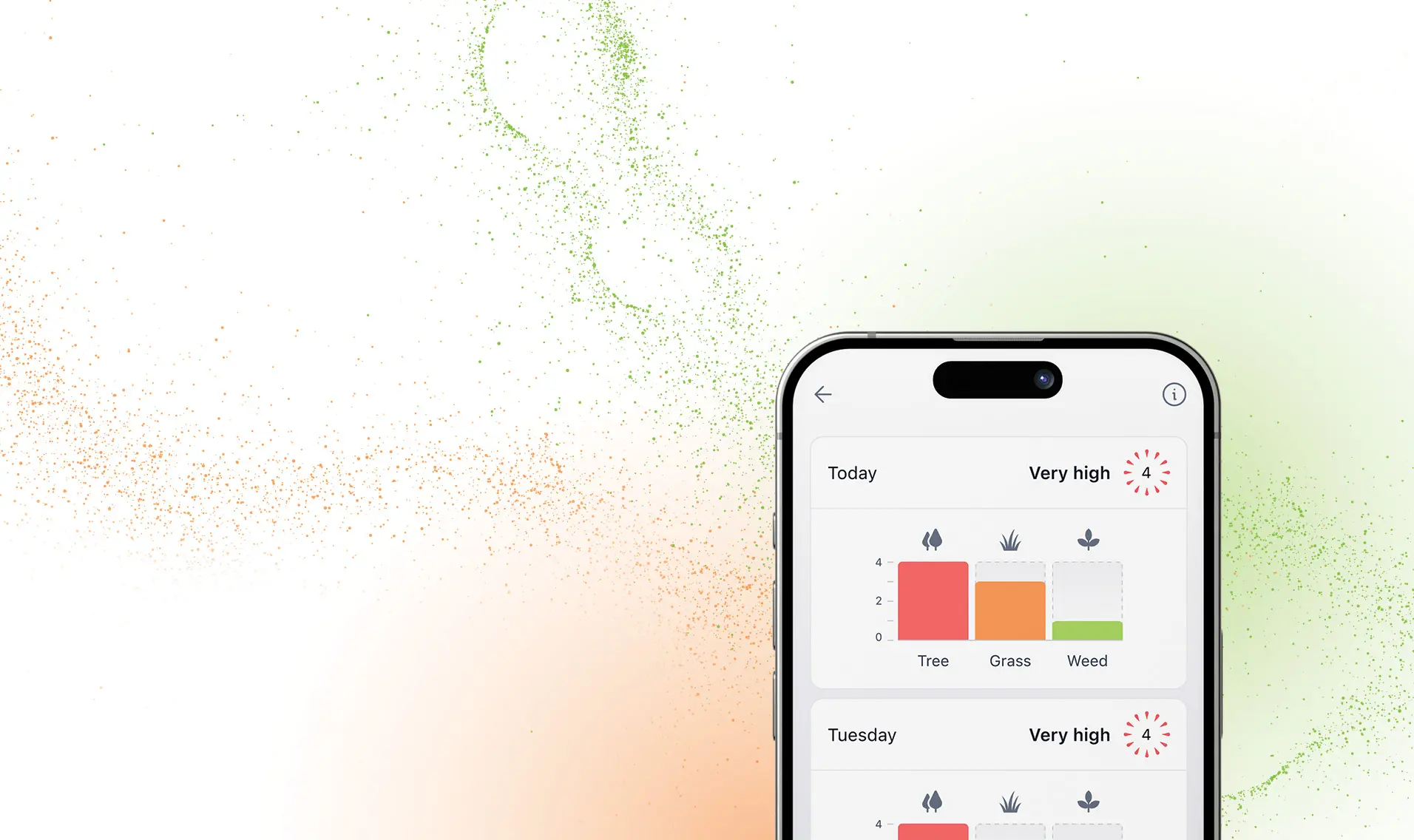
St. Paul pollen count forecast
Today  9 km/h19°7° 73% | Tuesday 18 km/h19°7° 74% | Wednesday 11 km/h22°9° 62% |

Air pollutants
Air quality in St. Paul today
Learn more about pollen in St. Paul


Protect yourself from air pollution in St. Paul

Air Purifiers

Face Masks

Air Quality Monitors
Download our Air Quality App


What can be done by allergy sufferers when the pollen count is high in St. Paul?
St. Paul, like many cities, experiences periods of high pollen counts. This can be challenging for residents with allergies. There are several strategies that individuals in St. Paul can adopt to manage these conditions.
Staying Indoors - Pollen concentration in the atmosphere is typically at its highest during the early morning and late afternoon. These are the peak pollen times. It is advisable for allergy sufferers to remain indoors during these hours. Being indoors reduces direct exposure to airborne pollen particles.
Air Purifiers - The indoor environment can also be a reservoir for pollen. Using air purifiers is an effective way to reduce the concentration of pollen particles indoors. These devices capture pollen and other particulate matter, ensuring that the air inside homes remains clean.
Windows and Doors - While it's tempting to let in the fresh air, especially on pleasant days, keeping windows and doors closed is crucial during high pollen periods. Open windows and doors provide an easy path for pollen to enter homes. Sealing off these entry points minimises the indoor pollen load.
Post-Outdoor Activities - After spending time outdoors, pollen particles can cling to the skin, hair, and clothing. It's beneficial to shower and change clothes upon returning indoors. This practice helps in removing any pollen that has settled on the body, reducing the chance of it being carried into the living spaces.
Nasal Care - Pollen can lead to nasal congestion and irritation. Using saline rinses or nasal sprays helps in clearing the nasal passages of pollen particles. Clearing the nasal passages offers relief from symptoms like sneezing and nasal congestion.
Consultation with Healthcare Professionals - Healthcare professionals play a pivotal role in guiding allergy sufferers. They can recommend antihistamines or other allergy medications suited to individual needs. These medicines can mitigate the allergic reactions caused by pollen exposure.
Local Pollen Forecasts - Keeping abreast of local pollen forecasts provides a heads up on the pollen conditions for the day or week. Various online platforms and weather applications offer daily pollen counts for St. Paul. Based on these forecasts, individuals can plan their outdoor activities, perhaps avoiding certain days or times when the count is especially high.
Protective Gear - For times when staying indoors isn't feasible, wearing protective gear can help. Sunglasses shield the eyes from pollen particles, reducing itchiness and watering. Hats, especially those with broad brims, act as barriers, preventing pollen from settling on the face and hair.
By adopting these strategies, individuals living in St. Paul can navigate high pollen days more comfortably, reducing the impact of allergies on their daily lives.
Does the density of pollen vary with the seasons in St. Paul?
Pollen variation in St. Paul is closely linked to the changing seasons, each bringing its unique set of pollen producers.
Spring Season: Spring witnesses a surge in pollen levels. This surge is mainly due to trees. Trees such as oak, pine, and maple begin their reproductive cycles during this season. They release vast amounts of pollen into the air. These tiny grains are carried by the wind to fertilise other trees of the same species. While this process is essential for the continuation of these tree species, it poses challenges. Allergy sufferers often find spring particularly difficult. The high pollen counts in the atmosphere can lead to an increase in allergic reactions. Symptoms such as sneezing, itchy eyes, and a runny nose become commonplace for many residents.
Summer Season: As spring transitions to summer, the primary pollen producers shift from trees to grasses. Grasses, including Bermuda, Kentucky bluegrass, and ryegrass, become dominant. These grasses have evolved over time to release pollen during the warmer summer months. The longer daylight hours and increased warmth provide an optimal environment for these grasses to reproduce. This period can be just as challenging as spring for those with allergies, especially those specifically allergic to grass pollen.
Late Summer to Early Autumn: The latter part of summer and the onset of autumn see a shift from grass pollen to weed pollen. Weeds are opportunistic plants, taking advantage of the space and resources available as other plants start to retreat. As these weeds grow and flourish, they release their pollen. Some of the primary culprits during this period include ragweed, nettle, and sagebrush. For individuals sensitive to these specific types of pollen, late summer and early autumn can be as problematic as the earlier seasons.
Winter Season: Winter brings a marked decline in pollen levels in St. Paul. As temperatures drop and days become shorter, most plants enter a dormant phase. This dormancy means that they are not actively growing or reproducing, which in turn means a reduced pollen output. While there might still be sporadic releases of pollen from some plants, the counts are minimal. For many allergy sufferers, winter offers a much-needed respite from the continuous exposure to high pollen levels.
By understanding the ebb and flow of pollen levels in St. Paul throughout the year, residents can be better prepared. Being aware of which plants release pollen during specific seasons can help in managing exposure and alleviating symptoms.
Does the weather affect the pollen count in St. Paul?
Weather has a direct impact on pollen distribution in St. Paul, and understanding this relationship can be pivotal for those with pollen allergies or those curious about air quality.
Rain: Rain can have a dual effect on pollen counts. On the one hand, a good rainfall acts as a natural cleanser. When raindrops fall, they capture pollen particles from the air and ground them. This reduces airborne pollen counts, offering temporary relief to those sensitive to pollen. However, it's essential to recognise the subsequent impact of rain on plants. Rain provides water, an essential element for plant growth. This hydration can stimulate plants to produce more pollen in the days following the rainfall. Additionally, rain can lead to the growth of mould, another allergen that affects many individuals.
Wind: Wind is one of the primary vehicles for pollen dispersal. Many plants rely on wind to carry their pollen grains to other plants for reproduction. On days with significant wind activity, pollen from trees, grasses, and weeds can be carried over vast distances, potentially increasing the pollen count in areas even far removed from the pollen source. As a result, windy conditions often correlate with heightened pollen levels in the air, which can be problematic for individuals with respiratory issues or pollen sensitivities.
Temperature: Temperature affects the life cycle and behaviour of plants. In St. Paul, as in many regions, warm temperatures signal many plants to release their pollen. This is a natural response, as warm conditions are often ideal for plant growth and reproduction. Conversely, when temperatures drop, especially during the colder months, plants tend to become dormant. During these periods, pollen production and release diminish, and airborne pollen counts decrease. However, it's worth noting that sudden temperature changes, especially in spring, can cause plants to release large amounts of pollen all at once.
Humidity: The amount of moisture in the air, or humidity, can influence how pollen behaves. High humidity levels cause pollen grains to absorb moisture. This absorption can make pollen grains heavier and less likely to stay airborne. Instead, they may become grounded or even clump together, making them less of a menace for those breathing the surrounding air. On the other hand, conditions of low humidity are more favourable for pollen to remain airborne and travel. Dry conditions can allow for pollen to be dispersed more broadly and increase the range at which individuals might be affected.
Understanding the interplay between weather conditions and pollen count is crucial for individuals who are sensitive to pollen. By staying informed about the weather forecast and its potential effects on pollen levels, individuals can take proactive steps to manage their allergies and reduce exposure during times of heightened pollen distribution.
Are there any specific areas in St. Paul with higher pollen counts?
St. Paul, being a city with a blend of urban and green landscapes, sees variable pollen counts across its regions. It's essential to understand the dynamics of each of these areas to better gauge pollen count variations.
Parks and Green Spaces: One of the primary contributors to pollen counts in urban areas is parks and green spaces. St. Paul's extensive park system, including areas like Como Park Zoo & Conservatory, stands as a testament to the city's commitment to greenery. While these spaces provide a breath of fresh air and a respite from urban congestion, they also host a diverse range of vegetation. This vegetation contributes to the seasonal release of pollen.
Adjacent to some of these parks and green spaces are water bodies. For instance, regions near the Mississippi River not only add to the city's scenic beauty but also contain dense vegetation along their banks. The combination of moisture from the river and the plants growing nearby makes these riverbanks a significant source of pollen, especially during the flowering season.
Suburban Areas: Moving away from the city centre, the suburban areas of St. Paul are another hotspot for pollen. Unlike the densely constructed urban core, suburban zones often have individual houses with gardens, trees, and shrubs. These green patches, while beautifying the surroundings and providing shade, also contribute to pollen levels. Trees, in particular, can release vast amounts of pollen, and when clustered in suburban neighbourhoods, the combined effect can lead to noticeable spikes in pollen counts during peak seasons.
Construction Sites: While not immediately obvious, construction sites play a unique role in influencing pollen counts. When the soil is disturbed during construction activities, dormant weed seeds can be brought to the surface and exposed to sunlight. This disruption accelerates the growth of opportunistic weeds that might not have grown otherwise. As these weeds mature, they release their pollen, adding to the overall count. It's especially relevant in cases where large tracts of land are being developed, as the exposed soil can cover extensive areas. Furthermore, the movement of construction machinery can stir up these particles, increasing the chances of them becoming airborne and impacting the surrounding regions.
Are there any efforts in St. Paul to reduce the pollen count and improve air quality?
Urban Forestry: St. Paul recognises the benefits of trees in urban environments, not only for beautification but also for the pivotal role they play in air quality. Through the Urban Forestry initiative, the city has embarked on a mission to diversify its urban tree canopy. By planting a variety of tree species, the city ensures that there is a staggered pollen release throughout the seasons, rather than a concentrated pollen burst from a single species. This approach not only balances the pollen count but also strengthens the resilience of the urban tree canopy against potential pests and diseases.
Public Awareness: Informing the public plays a crucial role in managing and mitigating the effects of high pollen counts. St. Paul utilises local media outlets – including radio, television, and newspapers – to provide timely updates on pollen levels in the area. By doing so, residents can make informed decisions about their outdoor activities, especially those who are particularly sensitive to pollen. Moreover, the city offers resources and guidance on how to minimise pollen exposure, such as suggestions for the best times of the day to venture outdoors or ways to maintain indoor air quality during peak pollen times.
Construction Guidelines: Construction sites, with their exposed earth and disrupted vegetation, can inadvertently introduce significant amounts of pollen and dust into the atmosphere. Acknowledging this, St. Paul has laid down specific regulations for construction projects. These guidelines necessitate measures to control dust, manage vegetation, and contain soil disturbances. Such regulations not only reduce pollen dispersal but also ensure that large-scale construction doesn't exacerbate respiratory problems for the city's residents.
Green Initiatives: With the rise in global environmental consciousness, St. Paul has been proactive in adopting green measures to safeguard its air quality. One of the primary focuses has been on reducing vehicular emissions, which not only contain harmful pollutants but can also agitate and redistribute ground-level pollen, increasing its presence in the breathable atmosphere. To combat this, the city has endorsed and promoted the use of public transport, encouraged carpooling, and set up zones with restrictions on high-emission vehicles. These efforts, while primarily targeting harmful vehicular emissions, have had the added benefit of making the city's air cleaner, particularly during times when pollen counts are high.
Where is the highest pollen level in Minnesota?
- Adrian1
- Afton1
- Aitkin1
- Aitkin County1
- Albany1
- Albert Lea1
- Albertville1
- Alexandria1
- Andover1
- Annandale1
- Anoka1
- Apple Valley1
- Appleton1
- Arden Hills1
- Arlington1
- Atwater1
- Aurora1
- Austin1
- Avon1
- Babbitt1
- Bagley1
- Baudette1
- Baxter1
- Bayport1
- Becker1
- Becker County1
- Belle Plaine1
- Beltrami County1
- Bemidji1
- Benton County1
- Bethel1
- Big Lake, Carlton County1
- Birchwood Village1
- Blaine1
- Blooming Prairie1
- Bloomington1
- Blue Earth1
- Bovey1
- Brainerd1
- Breckenridge1
- Breezy Point1
- Brooklyn Center1
- Brooklyn Park1
- Buffalo1
- Burnsville1
- Byron1
- Caledonia1
- Canby1
- Cannon Falls1
- Carlton1
- Carver1
- Cass County1
- Cass Lake1
- Center City1
- Centerville1
- Champlin1
- Chanhassen1
- Chaska1
- Chatfield1
- Chisago1
- Chisago City1
- Chisholm1
- Circle Pines1
- Clara City1
- Clearwater1
- Cloquet1
- Cohasset1
- Cokato1
- Cold Spring1
- Cologne1
- Columbia Heights1
- Columbus1
- Cook1
- Coon Rapids1
- Corcoran1
- Cottage Grove1
- Cottonwood1
- Crookston1
- Crosby1
- Crosslake1
- Crow Wing County1
- Crystal1
- Dakota County1
- Dassel1
- Dawson1
- Dayton1
- Deephaven1
- Delano1
- Dellwood1
- Dennison1
- Detroit Lakes1
- Dilworth1
- Dodge Center1
- Dresbach1
- Duluth1
- Dundas1
- Eagan1
- Eagle Lake1
- East Bethel1
- East Gull Lake1
- Eden Prairie1
- Eden Valley1
- Edgerton1
- Edina1
- Elbow Lake, Becker County1
- Elbow Lake, Grant County1
- Elgin1
- Elk River1
- Elko New Market1
- Ely1
- Esko1
- Eveleth1
- Excelsior1
- Eyota1
- Fairfax1
- Fairmont1
- Falcon Heights1
- Faribault1
- Farmington1
- Fergus Falls1
- Finland1
- Forest Lake1
- Fosston1
- Frazee1
- Fridley1
- Fulda1
- Gaylord1
- Gilbert1
- Glencoe1
- Glenwood1
- Glyndon1
- Golden Valley1
- Gonvick1
- Goodview1
- Granada1
- Grand Meadow1
- Grand Rapids1
- Granite Falls1
- Grant1
- Greenfield1
- Hallock1
- Ham Lake1
- Hamburg1
- Hanover1
- Harris1
- Hastings1
- Hawley1
- Hayfield1
- Hector1
- Hermantown1
- Hibbing1
- Hillman1
- Holland1
- Hopkins1
- Howard Lake1
- Hoyt Lakes1
- Hubbard County1
- Hugo1
- Hutchinson1
- Independence1
- International Falls1
- Inver Grove Heights1
- Isanti1
- Itasca County1
- Ivanhoe1
- Jackson1
- Janesville1
- Jordan1
- Kasson1
- Keewatin1
- Kenyon1
- Koochiching County1
- La Crescent1
- Lac qui Parle County1
- Lake City1
- Lake Crystal1
- Lake Elmo1
- Lake Shore1
- Lake St. Croix Beach1
- Lakefield1
- Lakeland1
- Lakeville1
- Landfall1
- Lastrup1
- Lauderdale1
- Le Center1
- Le Sueur1
- Leonidas1
- Lester Prairie1
- Lewiston1
- Lexington1
- Lilydale1
- Lindstrom1
- Lino Lakes1
- Litchfield1
- Little Canada1
- Little Falls1
- Little Rock1
- Long Lake1
- Lonsdale1
- Lutsen1
- Luverne1
- Madelia1
- Madison1
- Madison Lake1
- Mahnomen, Mahnomen County1
- Mahnomen, St. Louis County1
- Mahtomedi1
- Mankato1
- Mantorville1
- Maple Grove1
- Maple Lake1
- Maple Plain1
- Mapleton1
- Maplewood1
- Marshall1
- Mayer1
- McGregor1
- Medford1
- Medina1
- Melrose1
- Menahga1
- Mendota Heights1
- Milaca1
- Minneapolis1
- Minneota1
- Minnetonka1
- Minnetrista1
- Montevideo1
- Montgomery1
- Monticello1
- Montrose1
- Moorhead1
- Moose Lake1
- Mora1
- Morris1
- Morrison County1
- Mound1
- Mounds View1
- Mountain Iron1
- Mountain Lake1
- Murdock1
- Nerstrand1
- New Brighton1
- New Hope1
- New London1
- New Prague1
- New Richland1
- New Ulm1
- New York Mills1
- Newport1
- Nicollet1
- Nisswa1
- North Branch1
- North Mankato1
- North Oaks1
- North St. Paul1
- Northfield1
- Norwood Young America1
- Nowthen1
- Oak Grove1
- Oak Park Heights1
- Oakdale1
- Olivia1
- Olmsted County1
- Onamia1
- Orono1
- Oronoco1
- Orr1
- Ortonville1
- Osakis1
- Osseo1
- Otsego1
- Owatonna1
- Park Rapids1
- Parkers Prairie1
- Paynesville1
- Pelican Rapids1
- Pequot Lakes1
- Perham1
- Pierz1
- Pine County1
- Pine Island1
- Pipestone1
- Plainview1
- Plymouth1
- Pope County1
- Preston1
- Princeton1
- Prinsburg1
- Prior Lake1
- Proctor1
- Ramsey1
- Red Lake1
- Red Lake Falls1
- Red Wing1
- Redby1
- Redwood Falls1
- Remer1
- Renville1
- Rice1
- Rice Lake, Clearwater County1
- Rice Lake, St. Louis County1
- Richfield1
- Richmond1
- Robbinsdale1
- Rochester1
- Rockford1
- Rockville1
- Rogers1
- Roscoe1
- Roseau1
- Rosemount1
- Roseville1
- Royalton1
- Rush City1
- Rushford1
- Sartell1
- Sauk Centre1
- Sauk Rapids1
- Savage1
- Scandia1
- Shafer1
- Shakopee1
- Sherburn1
- Shoreview1
- Shorewood1
- Silver Bay1
- Slayton1
- Sleepy Eye1
- South St. Paul1
- Spicer1
- Spring Grove1
- Spring Lake Park1
- Spring Park1
- Spring Valley1
- Springfield1
- St. Anthony, Hennepin County1
- St. Augusta1
- St. Bonifacius1
- St. Charles1
- St. Cloud1
- St. Francis1
- St. James1
- St. Joseph1
- St. Louis County1
- St. Louis Park1
- St. Michael1
- St. Paul1
- St. Paul Park1
- St. Peter1
- Stacy1
- Starbuck1
- Stearns1
- Stewartville1
- Stillwater1
- Sturgeon Lake1
- Tamarack1
- Taylors Falls1
- Thief River Falls1
- Tonka Bay1
- Tracy1
- Truman1
- Two Harbors1
- Tyler1
- Vadnais Heights1
- Victoria1
- Vineland1
- Virginia1
- Wabasha1
- Waconia1
- Wadena1
- Wahkon1
- Waite Park1
- Walker1
- Wanamingo1
- Warren1
- Warroad1
- Waseca1
- Washington1
- Watertown1
- Waterville1
- Waverly1
- Wayzata1
- Wells1
- West Concord1
- West St. Paul1
- Wheaton1
- White Bear Lake1
- Willmar1
- Windom1
- Winnebago1
- Winona1
- Winsted1
- Winthrop1
- Woodbury1
- Woodland1
- Worthington1
- Wyoming1
- Zimmerman1
- Zumbrota1
- Ada0
- Barnesville0
- Benson0
- Braham0
- Cambridge0
- Coleraine0
- Cook County0
- East Grand Forks0
- Foley0
- Goodhue0
- Goodhue County0
- Grand Marais0
- Hinckley0
- Isanti County0
- Lake County0
- Long Prairie0
- Pine City0
- Rock Creek0
- Sandstone0
- Staples0
- Todd County0