Añadir
Calidad del aire en Berkeley
Índice de calidad del aire (ICA⁺) y contaminación del aire PM2.5 en Berkeley • 119.2K Seguidores • 21:00, oct 22 Hora local
20
ICA⁺ USBueno

Contam. principal:
O₃
44 µg/m³

14°

10 km/h

94 %
Pronóstico horario
Pronóstico del índice de calidad del aire (AQI⁺) de Berkeley


Pronóstico diario
Pronóstico del índice de calidad del aire (AQI⁺) de Berkeley
| Hoy | 41 |  | 19° 13° |  9 km/h | 78% |
| vie | 48 |  | 22° 12° | 14 km/h | 37% |
| sáb | 38 | | 22° 15° | 12 km/h | 49% |
Contaminantes del aire
¿Cuál es la calidad de aire actual en Berkeley?

La concentración de PM2,5 actualmente cumple con la directriz anual de PM2,5 de la OMS.
Recomendaciones de salud
 Enjoy outdoor activities |
 Open your windows to bring clean, fresh air indoors Get a monitor |
Protégete de la contaminación del aire en Berkeley

Controle el aire que respira
Obtenga lecturas precisas de la calidad del aire de AirVisual e información en tiempo real para un aire más limpio. Monitores que revelan las fuentes de contaminación y señalan cuándo es necesario utilizar un purificador de aire.

Purificadores de aire de calidad médica
La HealthPro Series, de confianza en todo el mundo, utiliza la tecnología HyperHEPA. Filtra partículas ultrafinas que otros purificadores de aire pasan por alto, ofreciendo una protección de grado médico.

Potentes y elegantes purificadores de aire
Compacta y potente, la serie Atem combina la ingeniería suiza con la purificación de aire de alto rendimiento, filtrando partículas ultrafinas con la tecnología HyperHEPA.
Instalaciones con aire limpio
Polen
¿Qué concentración de polen hay hoy en Berkeley?
Índice

Bajo
 Árboles Ninguno | 0% |
 Gramíneas Ninguno | 0% |
 Maleza Bajo | 25% |
Fuente:
wetter.comRecomendaciones de salud
Enjoy outdoor activities |
Open your windows to bring clean, fresh air indoors Get a monitor |
Polen
¿Qué concentración de polen hay hoy en Berkeley?
Índice
Bajo
Árboles Ninguno | 0% |
Gramíneas Ninguno | 0% |
Maleza Bajo | 25% |
Fuente:
wetter.comProtégete de la contaminación del aire en Berkeley
Controle el aire que respira
Obtenga lecturas precisas de la calidad del aire de AirVisual e información en tiempo real para un aire más limpio. Monitores que revelan las fuentes de contaminación y señalan cuándo es necesario utilizar un purificador de aire.
Purificadores de aire de calidad médica
La HealthPro Series, de confianza en todo el mundo, utiliza la tecnología HyperHEPA. Filtra partículas ultrafinas que otros purificadores de aire pasan por alto, ofreciendo una protección de grado médico.
Potentes y elegantes purificadores de aire
Compacta y potente, la serie Atem combina la ingeniería suiza con la purificación de aire de alto rendimiento, filtrando partículas ultrafinas con la tecnología HyperHEPA.
Lugares más contaminados cerca de Berkeley
Ranking AQI⁺ mundial
Ranking de estaciones
Ranking AQI⁺ de estaciones en tiempo real en Berkeley

Ranking de ciudades
Ranking de calidad del aire AQI⁺ de USA en tiempo real
Calidad del aire histórica cerca de Berkeley
Historial
Gráfico de calidad del aire histórica para Berkeley
Calidad del aire histórica cerca de Berkeley
Historial
Gráfico de calidad del aire histórica para Berkeley
Instalaciones con aire limpio
Lugares más contaminados cerca de Berkeley
Ranking AQI⁺ mundialRanking de estaciones
Ranking AQI⁺ de estaciones en tiempo real en Berkeley
Ranking de ciudades
Ranking de calidad del aire AQI⁺ de USA en tiempo real
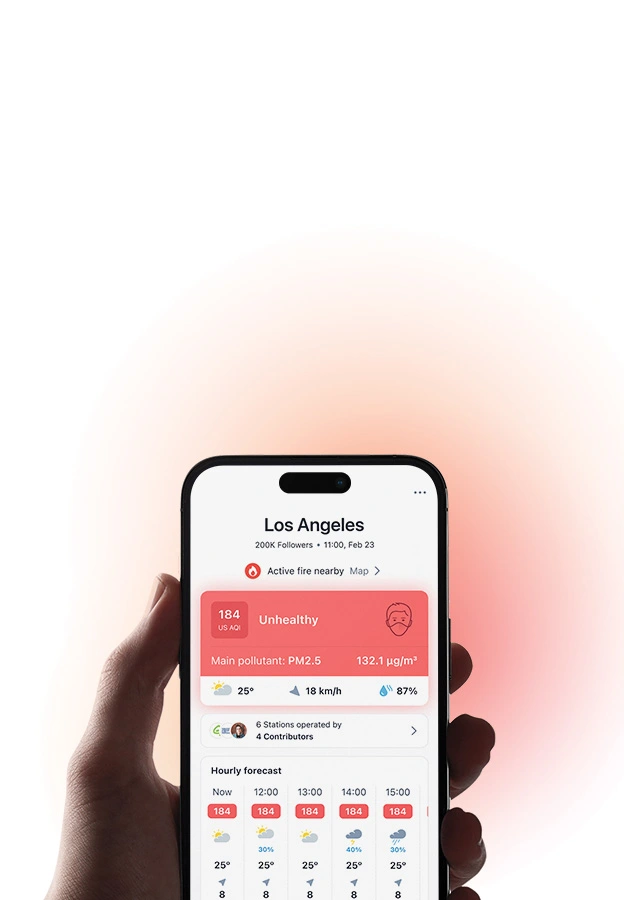


Measure your own air quality
Get a monitor and contribute air quality data in your city.
Obtén más información sobre la calidad del aire global


Obtén más información sobre la contaminación del aire en Berkeley
¿Cuál es la calidad del aire actual en Berkeley?
La calidad del aire actual en Berkeley se considera buena. El aire es limpio y representa poco o ningún riesgo para la salud.
What is the air quality in Berkeley CA?
Berkeley’s annual air quality index (AQI) score meets the US Environmental Protection Agency (EPA) standard for “good,” indicating that, on average, air is healthy to breathe. Such yearly averages, however, tend to underestimate health risks, as they smooth over daily pollution spikes that can contribute to adverse health effects. It is for this reason that standards have additionally been set for the number of unhealthy air quality days a city is allowed per year.
The 2020 “State of the Air” report released by the American Lung Association (ALA) aggregates data for more than 200 regional areas in the United States and rates these regions according to EPA standards. According to the report, Alameda County, of which Berkeley is a part, was graded an “F” for both short-term PM2.5 and short-term ozone pollution.1 The “F” rating indicates that Berkeley has exceeded the allowable 3.2 days of unhealthy air quality for each pollutant, calculated as a weighted average over 3 years. In the 2016 to 2018 monitoring period, Alameda County experienced an average of 8.8 unhealthy ozone days a year and 11.2 unhealthy PM2.5 days a year for a total of 20 unhealthy air quality days annually.
These days of heightened air quality in Berkeley cause more acute health effects in sensitive groups, defined as children, the elderly, and those with pre-existing heart and lung disease. In Alameda County, there are an estimated 133,767 residents with asthma, 59,858 with COPD, 86,118 with cardiovascular disease, 230,510 residents over the age of 65, and 342,510 children under the age of 18.
Short-term effects of breathing air pollution include irritation of the airways, coughing, chest pain, heart arrhythmias, and difficulty breathing. Over time, frequent exposure to elevated pollution levels include permanent damage to the heart and lungs, cancer, and early death.
Even in polluted environments, it is possible to breathe clean air. Air quality is ever evolving with the weather, the season, and pollution events. Check Berkeley’s live air quality data at the top of this page to understand current conditions. Readings worse than Good (“green”) indicate that there are moderate or worse risks to breathing the air. Follow the advised health recommendations to reduce your exposure.
How polluted is the area of UC Berkeley?
Berkeley is located on the east shore of the San Francisco Bay, just 10 miles from San Francisco, 7.5 miles from Oakland, and 6 miles from Richmond. Berkeley air quality, and the air quality of the UC Berkeley campus, fares roughly the same as its neighboring cities. In 2019, Berkeley’s air quality index (AQI) was 30, the same AQI as San Francisco and slightly higher than both Oakland’s AQI of 29 and Richmond’s AQI of 27. All cities in the Bay Area had annual AQI levels below 50, thus indicating that overall air quality is healthy.
According to the 2020 State of the Air report, however, the greater region, which encompasses San Jose-San Francisco-Oakland, ranked poorly for short-term air pollution as compared to other regions in the United States. In the 2016 to 2018 monitoring periods, San Jose-San Francisco-Oakland ranked:
- #8 for high ozone days out of 229 US metropolitan areas
- #3 for 24-hour particle pollution out of 216 US metropolitan areas
Use the IQAir Air Quality map to observe heat-mapped air pollution in the region as well as winds which may carry air pollutants to UC Berkeley from nearby emission sources, such as freeways and the Oakland/Berkeley port. Follow data for the McMillan Road, Berkeley air quality monitoring station for the most hyper-local data to the UC Berkeley campus.
How safe is indoor air in Berkeley?
Air pollution is often framed as an outdoor problem. A growing body of scientific evidence, however, indicates that indoor air pollution should be of primary concern, as some pollutant concentrations can far exceed outdoor levels and because the average American spends roughly 90 percent of their day indoors, exacerbating the outsized risk that indoor air pollution poses to health.2 Indoor air quality can thus either greatly reduce or increase your overall air pollution exposure depending on the level of control that you have over your indoor air quality.
Indoor air in Berkeley suffers from many of the same pollution sources as outdoor air, such as vehicular and industrial emissions as well as unique indoor pollution sources like building and cleaning materials, smoking, and cooking.
There are also correlations between indoor air and outdoor air. During wildfires, it is estimated that indoor PM2.5 levels will account for 49 to 76 percent of the increases in outdoor PM2.5.3 Conversely, the US EPA estimates that volatile organic compound (VOC) levels are between 2 to 5 times higher indoors than out as a result of higher confinement with products that emit VOCs and CO2.
The safety of indoor spaces depends on the ventilation and air purification systems in place. Clean indoor environments balance indoor confinement or ventilation (thus lowering CO2 and VOC levels) while managing the inflow of, and filtering for, harmful particle and gas pollution.
Berkeley was the first city in the nation to require that all new buildings be 100 percent electric beginning January 1, 2020.4The new law forbids gas hook-ups to be installed in new houses, apartments, and school and commercial buildings. Currently, 90 percent of California homes rely on gas for domestic heating. By moving to an all-electric plan, fossil fuels will be eliminated as a heating source for buildings in new construction.
When will Berkeley air quality improve?
While long-term trends depict an overall trend of improving air quality in Alameda County, recent years have recorded concerning gains in both PM2.5 and ozone pollution. At present, Berkeley air pollution appears to be on the rise. This comes despite gradual moves toward cleaner energy, more fuel-efficient and low-emission vehicles, and increasingly stringent local and state regulations.
The reason has roots in our changing climate. Warming temperatures are linked to increased short-term ozone and PM2.5 pollution as a result of a prolonged and more severe ozone and wildfires seasons.
In 2019, a relatively mild year for wildfires, November was Berkeley’s most polluted month as a result of the Burris fire in Mendocino and the Kincade Fire in Sonoma County. The PM2.5 average for November 2019 was 14.8 μg/m3, more than 2 times the average of October (7.3 μg/m3) and December (6.7 μg/m3). In 2020, historic California wildfires caused a record stretch of Spare the Air alerts in Berkeley.
Managing the threats of climate change on air quality will require aggressive action. In addition to managing greenhouse gas emissions to slow or reverse current climate trends, the California Department of Forestry and Fire Prevention (CAL FIRE) seeks to thin 8-10 million acres of forest by ‘prescribed burning’ in order to reduce the severity of wildfires.5
Moving towards cleaner energy by diminishing reliance on fossil fuels is another key step in improving Berkeley air quality. State and local commitments have been made to achieve 100% renewable electricity by 2045., a goal which must rely on significant emission reductions in the transportation sector.6 Between 2000 and 2016, transportation was the only sector to experience increasing air pollution emissions in Berkeley. Moreover, transportation continues to represent the largest air pollution emission source here, responsible for 60 percent of all Berkeley’s air pollution emissions.
In order to facilitate the achievement of these goals, the city of Berkeley released its first Electric Mobility Roadmap in July 2020. The roadmap supports improving the attractiveness and accessibility of driving alternatives like walking, biking, and reliable public transit as well as shifting residents from gas-powered motor vehicles to electric or hybrid options.
In order to reach zero net carbon by 2045, it is estimated that electric vehicles (EV) would need to reach a 25 percent market share by 2025 and a 55 percent market share by 2030, with an ultimate 100 percent share by 2045: an ambitious target. Should such targets be met, however, daily average PM2.5 levels in Berkeley could see as much as a 50 percent drop, offering significant health benefits to the community.
What are the smoke air quality advisories for Berkeley?
Air quality advisories in Berkeley are established when air pollution is, or is forecast, to exceed a US AQI of 100, thus becoming “unhealthy for sensitive groups.” The Bay Area Air Quality Management District (BAAQMD), which is responsible for government monitors in the region, uses this guideline to issue Spare the Air alerts. These alerts indicate that residents should take action to protect their health and reduce their personal emissions.7
Spare the Air reports are most often issued for short-term PM2.5 or ozone pollution. PM2.5 advisories are often reported in the later summer, fall and winter as a result of active wildfires and winter woodburning, while ozone advisories are more often reported in the summer when conditions (temperatures greater than 84 degrees) are ideal for ozone formation.
Check live air quality data to determine whether Berkeley is under a Spare the Air advisory. When Berkeley’s AQI exceeds, or is forecast to exceed, 100 (“orange”), a Spare the Air alert is in place. When this happens, follow the recommended health protocol, such as wearing a mask outdoors, limiting outdoor activity, running an air purifier if available, and help play a role in reducing city-wide emissions by driving less and avoiding wood burning or BBQing.
+ Article Resources
[1] American Lung Association. (2020). State of the air – 2020.
[2] US Environmental Protection Agency (EPA). (2020). Report on the environment - indoor air quality.
[3] LBNL Indoor Environment Group. (2020). Wildfires. Lawrence Berkeley National Laboratory.
[4] Delforge P. (2019, July 17). Berkeley Passes Nation’s 1st All-Electric Building Ordinance. National Resources Defense Council.
[5] Helvarg D. (2019, December 20). How will California prevent more mega-wildfire disasters? National Geographic.
[6] City of Berkeley. (2020). City of Berkeley electric mobility roadmap - 2020.
[7] Spare the Air. (2020). What is Spare the Air? Bay Area Air Quality Management District.
¿Cuál es la cantidad del aire más limpia de Berkeley?
- Berkeley Hills Southampton 20
- 1024 Keith1
- COB South Berkeley Senior Center1
- Jones Street1
- Marin Ave1
- Curtis and Francisco2
- 1240 Ordway St3
- 1234 Kains Ave Backyard4
- Atlas Place4
- Berkeley Hills4
- Kentucky Avenue4
- GrizzlyPeak & Summit Road6
- Vicente Rd6
- Vine Street6
- 1179 Glen Avenue7
- Elmwood in Berkeley, California8
- Fairview and King8
- Shipwreck8
- Chu Road9
- Valley Street9
- Oceanview10
- Derby and Matthews11
- Jaynes Street 111
- San Fernando Avenue11
- Whosabird11
- South Berkeley12
- 573 Santa Rosa13
- High Court13
- Woodmont Avenue13
- Cat Resource Center14
- Cowper Street14
- Delaware Street14
- Ecole Bilingue de Berkeley14
- Terrace View14
- The Crescent14
- City of Berkeley Fire Station 615
- Contra Costa Avenue15
- 1642 Hopkins St16
- 2607 Webster Street16
- Hilgard Avenue16
- El Camino Real17
- Fresno Avenue17
- McKinley Avenue17
- Prince Street17
- Tacoma Avenue17
- 2099-2083 Jefferson Ave18
- Claremont 218
- Los Angeles Avenue18
- 2821-2801 Fulton St19
- North Berkeley 219
- Oxford Elementary School Outside19
- Panoramic Way19
- Santa Clara Avenue19
- 1887-1849 Catalina Ave20
- 2650 Shasta Road20
- Elmwood Benvenue and Woolsey20
- COB City Hall21
- Cedar Street Outside21
- 650 Creston Rd22
- Hilgard Hall22
- Josephine Street22
- The Uplands22
- Claremont25
- 641 Vistamont27
- Arden Road27
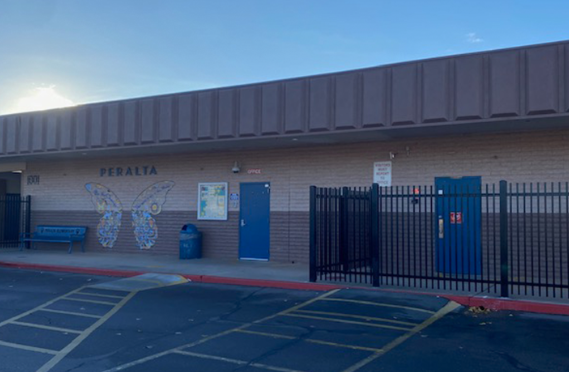
- Peralta ES28
- Etna Street29
- Wildcat Canyon / Grizzly Peak / Spruce31
- Stanley Hall32
- Boynton Ave33
- VLSB33
- Berkeley Aquatic Park39
- Southwest Berkeley42