Densité de pollen et informations sur les allergies pour Memphis
Densité de pollen et informations sur les allergies pour Memphis • 00:00, Oct 23
Indice

Élevé

Arbre
Aucun

Graminées
Faible

Mauvaise herbe
Élevé
 18°
18° 7 km/h
 51%
51%Prévisions des allergies
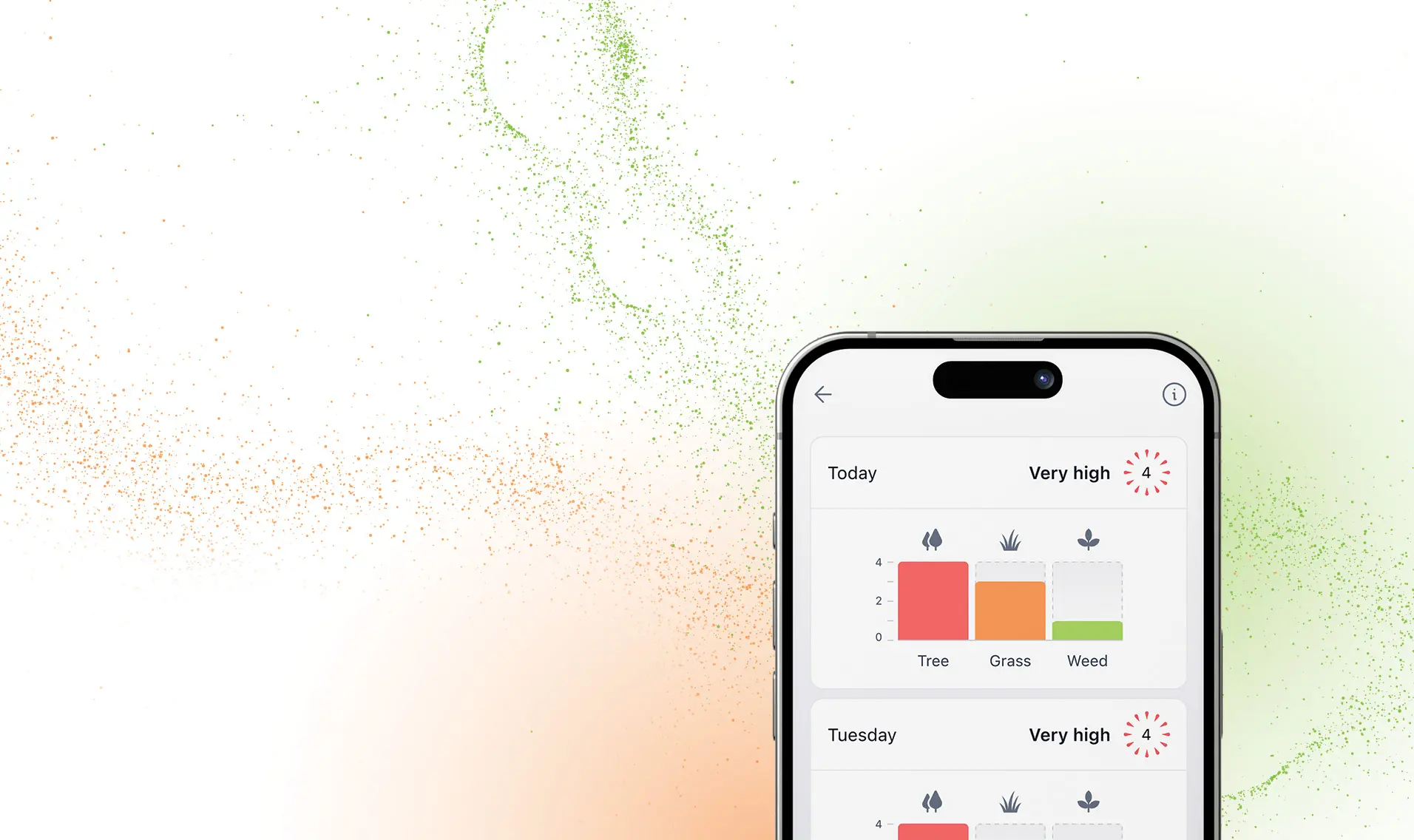
Prévision de la densité de pollen à Memphis
Aujourd’hui  13 km/h 25°14° 37% | samedi  16 km/h25°13° 45% | dimanche 11 km/h 25°15° 36% |

Polluants atmosphériques
Qualité de l'air à Memphis aujourd'hui
En savoir plus sur le pollen à Memphis


Protégez-vous de la pollution de l’air à Memphis

Surveillez l'air que vous respirez
Obtenez des relevés précis de la qualité de l'air AirVisual et des informations en temps réel pour un air plus pur. Les moniteurs révèlent les sources de pollution et indiquent quand il est nécessaire d'utiliser un purificateur d'air.

Purificateurs d'air de qualité médicale
Reconnue dans le monde entier, la série HealthPro Series utilise la technologie HyperHEPA. Elle filtre les particules ultrafines que les autres purificateurs d'air ne parviennent pas à détecter, offrant ainsi une protection de qualité médicale.

Des purificateurs d'air puissants et élégants
Compacte et puissante, la série Atem associe l'ingénierie suisse à une purification de l'air haute performance, filtrant les particules ultrafines grâce à la technologie HyperHEPA.
Téléchargez notre application sur la qualité de l'air


Why does the Memphis pollen count vary throughout the day?
The pollen count in Memphis can vary significantly throughout the day due to a combination of environmental factors and plant biology. Environmental conditions, such as temperature, humidity, wind speed, and sunlight, play a crucial role in the release of pollen by plants. During the early morning hours, cooler temperatures and reduced wind create a stable environment, leading to pollen release. As temperatures rise during midday and afternoon, pollen grains become more mobile, resulting in higher pollen counts. Certain plant species have specific pollination periods during these times, contributing to the overall pollen load. Towards the evening, pollen-laden air settles as temperatures cool down and the wind subsides, leading to a reduction in pollen counts.
What are the main areas of vegetation that contribute to an elevated pollen count in Memphis?
Memphis faces significant pollen challenges due to its diverse vegetation. Oak trees are prevalent, releasing abundant wind-dispersed pollen in spring and early summer, significantly contributing to the city's overall pollen count. Eastern Red Cedar trees are another culprit, causing winter allergies with their allergenic pollen. Pine trees add to the pollen burden, releasing lightweight grains that spread widely during spring. Maple trees, though beautiful in autumn, also produce allergenic pollen in early spring. Birch trees, less abundant but still present, release their highly allergenic pollen around the same time as oaks. Grasses, especially Bermuda grass, pose a major threat, as their pollen is highly allergenic and airborne during late spring and early summer which coincides with the peak allergy season. In late summer and autumn, ragweed becomes a notorious allergenic plant in Memphis. Each ragweed plant releases billions of lightweight pollen grains that travel great distances with the wind, leading to widespread hay fever in susceptible individuals. The combination of these plants and trees significantly impacts the city's pollen levels and poses challenges for allergy sufferers, especially during specific seasons.
How does the pollen count in Memphis affect people with allergies?
Pollen allergies can have a significant impact on the health and well-being of individuals who are affected by them. Pollen, which is a natural and essential part of plant reproduction, can trigger an immune response in certain people, leading to allergic reactions. Understanding how pollen affects those with allergies and implementing preventive measures are crucial aspects of effectively managing their symptoms.
When individuals with pollen allergies come into contact with pollen particles, whether through inhalation or direct contact with the skin or eyes, their immune system perceives these harmless particles as a threat. As a defensive reaction, the immune system produces antibodies known as immunoglobulin E (IgE) to neutralize the pollen allergens. This process then initiates the release of histamines and other chemicals, which leads to the onset of allergy symptoms.
Common allergic reactions to pollen exposure include sneezing to clear the nose, increased production of mucus to wash out allergens resulting in a runny nose, swelling of nasal passages making it difficult to breathe through the nose, eye irritation and redness upon contact with pollen particles, coughing due to excessive mucus dripping into the throat, and irritation in the throat or ears as part of the immune response. The severity of these reactions varies depending on an individual's sensitivity to pollen and the amount of pollen present in the air.
For individuals with pre-existing respiratory conditions, such as asthma or chronic obstructive pulmonary disease (COPD), pollen exposure can exacerbate their symptoms. The allergens can irritate and inflame the airways, potentially leading to asthma attacks or worsening COPD symptoms. Those with asthma or respiratory conditions should remain extra vigilant during periods of high pollen counts and diligently follow their asthma action plans.
Does the pollen count in Memphis impact outdoor activities?
Pollen count significantly affects allergic reactions in individuals with pollen allergies. High pollen count in Memphis indicates a higher concentration of pollen particles in the air, triggering allergic reactions when inhaled into the respiratory system. This immune system overreaction, known as hay fever or seasonal allergic rhinitis, releases histamines and chemicals, leading to allergy symptoms. In severe cases, it can worsen existing respiratory conditions such as asthma, causing breathing difficulties and attacks.
During high pollen days, outdoor activities can be challenging for pollen allergy sufferers, as extended exposure increases allergen load and intensifies discomfort. To reduce pollen exposure, consider minimizing outdoor activities during peak pollen hours and wear sunglasses, hats, or masks when going outside. Keeping windows and doors closed at home and in the car can minimize indoor exposure. Additionally, using HEPA filters in air purifiers can help remove pollen and allergens indoors.
For individuals with pollen allergies, taking measures to reduce pollen exposure during high pollen days is crucial.
After spending time outdoors, take a shower and change your clothes to remove any pollen that may have adhered to your body and clothing.
Over-the-counter or prescribed antihistamines and nasal corticosteroids can help alleviate allergy symptoms.
Does air pollution affect the pollen count in Memphis?
Air pollution in Memphis has notable indirect effects on pollen count, aggravating allergic responses in those with pollen allergies. The interaction between air pollutants and pollen particles results in a more allergenic atmosphere, worsening allergy symptoms for susceptible individuals. This occurs through several mechanisms:
1. Interaction with Pollen Particles: Air pollutants, such as nitrogen dioxide and ozone, chemically interact with airborne pollen particles, making them smaller and more easily inhalable. These smaller particles can penetrate deep into the respiratory system, causing severe allergic reactions in sensitive individuals.
2. Increased Allergenicity: Changes in pollen structure due to air pollution enhance their allergenicity. Smaller pollen particles interact more readily with the immune system, leading to more robust allergic responses, including intense sneezing, nasal congestion, and itchy, watery eyes.
3. Synergistic Effects: Air pollution sources can release allergenic particles, acting as carriers for pollen and potentially increasing the overall pollen count in certain areas. When these particles combine with pollen, they trigger additional respiratory irritations and inflammation, worsening allergic reactions.
4. Impact on Indoor Air Quality: Outdoor air pollution and pollen can affect indoor air quality. During days with high pollen counts and air pollution, using air purifiers with HEPA filters, keeping windows and doors closed, and using air conditioning can help improve indoor air quality.
Où se trouve le niveau de pollen le plus élevé dans Tennessee ?
- Clifton3
- Memphis3
- Bells2
- Chattanooga2
- East Ridge2
- Jellico2
- Johnson County2
- Milan2
- Obion2
- Red Bank2
- Ridgely2
- Ridgeside2
- Signal Mountain2
- Troy2
- Union City2
- Adamsville1
- Alamo1
- Alcoa1
- Algood1
- Altamont1
- Apison1
- Ardmore1
- Arlington1
- Ashland City1
- Athens1
- Atoka1
- Banner Hill1
- Bartlett1
- Baxter1
- Bean Station1
- Belle Meade1
- Benton1
- Berry Hill1
- Blaine1
- Bloomingdale1
- Blount County1
- Blountville1
- Bluff City1
- Bolivar1
- Bon Aqua Junction1
- Bradford1
- Bradley County1
- Brentwood1
- Brighton1
- Bristol1
- Brownsville1
- Bruceton1
- Burns1
- Byrdstown1
- Camden1
- Cannon County1
- Carthage1
- Caryville1
- Celina1
- Centerville1
- Central1
- Chapel Hill1
- Charlotte1
- Christiana1
- Church Hill1
- Claiborne1
- Clarksville1
- Cleveland1
- Clinton1
- Coalfield1
- Cocke1
- Collegedale1
- Collierville1
- Colonial Heights1
- Columbia1
- Cookeville1
- Coopertown1
- Cornersville1
- Covington1
- Cowan1
- Cross Plains1
- Crossville1
- Crump1
- Cumberland County1
- Dandridge1
- Dayton1
- Decatur1
- Decaturville1
- Decherd1
- DeKalb County1
- Dodson Branch1
- Dover1
- Dresden1
- Dunlap1
- Dyer1
- Dyersburg1
- Eagleton Village1
- East Brainerd1
- East Cleveland1
- Elizabethton1
- Englewood1
- Erin1
- Erwin1
- Estill Springs1
- Etowah1
- Fairfield Glade1
- Fairmount1
- Fairview1
- Fall Branch1
- Falling Water1
- Farner1
- Farragut1
- Fayette1
- Fayetteville1
- Fincastle1
- Forest Hills1
- Franklin1
- Gainesboro1
- Gallatin1
- Gatlinburg1
- Germantown1
- Gleason1
- Goodlettsville1
- Gordonsville1
- Gray1
- Graysville1
- Green Hill1
- Greenback1
- Greenbrier1
- Greeneville1
- Greenfield1
- Grimsley1
- Gruetli-Laager1
- Grundy County1
- Halls, Knox County1
- Hamblen County1
- Hamilton County1
- Harriman1
- Harrison1
- Harrogate1
- Hartsville/Trousdale County1
- Henderson1
- Hendersonville1
- Hohenwald1
- Hopewell1
- Humboldt1
- Humphreys1
- Hunter1
- Huntingdon1
- Huntsville1
- Jacksboro1
- Jackson1
- Jamestown1
- Jasper1
- Jefferson City1
- Jefferson County1
- Johnson City1
- Jonesborough1
- Karns1
- Kenton1
- Kimball1
- Kingsport1
- Kingston1
- Kingston Springs1
- Knox County1
- Knoxville1
- La Follette1
- La Vergne1
- Lafayette1
- Lake Tansi1
- Lakeland1
- Lakesite1
- Lakewood Park1
- Lawrence County1
- Lawrenceburg1
- Lebanon1
- Lenoir City1
- Lewisburg1
- Lexington1
- Linden1
- Livingston1
- Lone Oak1
- Lookout Mountain1
- Loretto1
- Loudon1
- Loudon County1
- Louisville1
- Luttrell1
- Lynchburg, Moore County1
- Madison County1
- Madisonville1
- Manchester1
- Marion County1
- Martin1
- Maryville1
- Mascot1
- Mason1
- Maynardville1
- McEwen1
- McKenzie1
- McMinnville1
- Medina1
- Middle Valley1
- Midtown1
- Millersville1
- Millington1
- Monteagle1
- Monterey1
- Morristown1
- Mosheim1
- Mount Carmel1
- Mount Juliet1
- Mount Pleasant1
- Mountain City1
- Mowbray Mountain1
- Munford1
- Murfreesboro1
- Nashville1
- New Hope1
- New Johnsonville1
- New Market1
- New Tazewell1
- New Union1
- Newbern1
- Newport1
- Nolensville1
- Norris1
- Oak Grove, Washington County1
- Oak Hill1
- Oak Ridge1
- Oakland1
- Oliver Springs1
- Olivet1
- Oneida1
- Paris1
- Park City1
- Parsons1
- Pegram1
- Pigeon Forge1
- Pikeville1
- Pine Crest1
- Piperton1
- Plainview1
- Pleasant View1
- Portland1
- Powells Crossroads1
- Pulaski1
- Red Boiling Springs1
- Ridgetop1
- Ripley1
- Roan Mountain1
- Rockwood1
- Rocky Top1
- Rogersville1
- Rural Hill1
- Rutherford1
- Rutledge1
- Sale Creek1
- Saulsbury1
- Savannah1
- Selmer1
- Sevier County1
- Sevierville1
- Sewanee1
- Seymour1
- Shackle Island1
- Shelby County1
- Shelbyville1
- Smithville1
- Smyrna1
- Sneedville1
- Soddy-Daisy1
- Somerville1
- South Carthage1
- South Cleveland1
- South Fulton1
- South Pittsburg1
- Sparta1
- Spencer1
- Spring City1
- Spring Hill1
- Springfield1
- Spurgeon1
- Sullivan1
- Surgoinsville1
- Sweetwater1
- Tazewell1
- Tellico Village1
- Tennessee Ridge1
- Thompson's Station1
- Three Way1
- Tiptonville1
- Townsend1
- Tracy City1
- Trenton1
- Tullahoma1
- Tusculum1
- Unicoi1
- Unionville1
- Vonore1
- Walden1
- Walnut Hill1
- Wartburg1
- Washington1
- Watertown1
- Waverly1
- Waynesboro1
- Westmoreland1
- White Bluff1
- White House1
- White Pine1
- Whiteville1
- Whitwell1
- Wildwood1
- Wildwood Lake1
- Wilson County1
- Winchester1
- Woodbury1